
Can I Drive After LASIK in Australia?
Driving after LASIK
Many people choose LASIK because they hope to reduce their dependence on glasses or contact lenses. One of the most common questions after surgery is, “When can I drive again?”
The answer is different for everyone. Although many people notice clearer vision soon after LASIK, you should not drive until your surgeon has confirmed that your vision is safe and meets the legal standard for driving.
Knowing what to expect after surgery can help you plan your recovery and return to everyday activities safely.
Can you drive home after LASIK?
Arrange someone to take you home
You should not plan to drive yourself home after LASIK eye surgery.
Immediately after the procedure, your vision is often blurry or hazy while your eyes begin to recover. Your eyes may also be sensitive to light or feel watery.
Before your treatment, arrange for a family member, friend, or another trusted person to drive you home.
This allows you to focus on resting and beginning your recovery.
When can you drive again?
It depends on your vision
Some people recover quickly and notice clearer vision within the first day after surgery. Others may take longer.
Even if your vision feels clear, you should wait until your surgeon has examined your eyes and confirmed that your vision is suitable for driving.1https://www.verywellhealth.com/lasik-surgery-long-term-care-4847046
Driving too early could place you and other road users at risk.
Your follow-up appointment
Most patients attend a follow-up appointment shortly after LASIK.
During this visit, your surgeon checks how your eyes are healing and assesses your vision.
If your vision has recovered well and meets the required standard, your surgeon will advise when it is appropriate to return to driving.
Why is it important to wait?
Your eyes are still healing
Although LASIK is a quick procedure, healing continues after you leave the clinic.
Your vision may change during the first few days as your eyes recover.
Some people notice temporary blurry vision, glare, halos around lights, or light sensitivity.
These symptoms are often temporary, but they may affect your ability to drive safely.
Everyone heals differently
Recovery varies from person to person.
Factors such as your prescription, the type of laser eye surgery performed, and how your eyes heal can all affect when it is safe to drive again.
This is why there is no single answer for everyone.
What if you drive at night?
Night vision may take time to settle
Some people notice glare, halos, or starbursts around lights during the early stages of recovery.
These symptoms are often more noticeable when driving at night.
For many people, these effects improve as healing continues.2https://www.verywellhealth.com/lasik-surgery-long-term-care-4847046
If you are not confident with your vision at night, wait until your surgeon advises that it is safe to resume night driving.
Build your confidence
When you begin driving again, some people feel more comfortable starting with short trips during the day.
As your confidence grows and your vision continues to stabilise, returning to longer journeys may become easier.
Always follow the advice provided by your treating surgeon.
What can help your recovery?
Follow your surgeon’s instructions
Your recovery does not end when the procedure is over.
Using your prescribed eye drops, attending follow-up appointments, and following your surgeon’s advice all help support healing.3https://www.verywellhealth.com/lasik-surgery-long-term-care-4847046
These steps also help your surgeon assess when it is safe for you to return to driving.
Rest your eyes
Giving your eyes time to recover is an important part of healing.
Take regular breaks from screens if your eyes feel tired and avoid rubbing your eyes while they heal.
Following your recovery instructions may help reduce irritation and support a smoother recovery.
What should you avoid before driving?
Do not rush your recovery
Even if you feel well, avoid driving until you have been advised it is safe to do so.
Temporary symptoms such as blurry vision or light sensitivity may affect your ability to judge distances or react to changing road conditions.
Waiting until your vision has stabilised helps protect both you and others.
Know your legal responsibility
In Australia, drivers are responsible for ensuring they meet the required vision standard before driving.
Your surgeon will assess your vision during follow-up appointments and advise when it is appropriate to return to driving.
If you are unsure, ask your surgeon before getting behind the wheel.
When should you contact your surgeon?
Listen to your eyes
Mild discomfort, dry eyes, and temporary blurry vision are common after LASIK.
However, if you experience severe pain, a sudden drop in vision, increasing redness, or any symptoms that concern you, contact your surgeon promptly.
Your surgical team can assess your eyes and provide advice based on your individual recovery.
Planning ahead
Before your LASIK procedure, it is helpful to organise transport home and plan for the first day of recovery.
Taking a little extra time to prepare means you can focus on resting rather than worrying about how you will get home.
Many people find that planning ahead makes the recovery process much easier.
Learn more about LASIK recovery
Returning to driving is an exciting milestone after LASIK, but it is important not to rush the process. Although many people notice improvements in vision within a short time, everyone heals differently, and your surgeon is the best person to advise when it is safe for you to drive again.
At Envision Eye Centre, our experienced team provides personalised care before, during, and after laser eye surgery. We will monitor your recovery, answer your questions, and help you understand when you can safely return to everyday activities such as driving.
Take the next step
If you are considering LASIK, the first step is finding out whether the procedure may be suitable for your eyes.
Take the suitability self test today to learn whether laser eye surgery may be suitable for your vision needs.
Home »
Are you suitable for laser eye surgery?
Laser eye surgery is not suitable for everyone. Take the first step to find out whether you can benefit.
Our most popular procedures
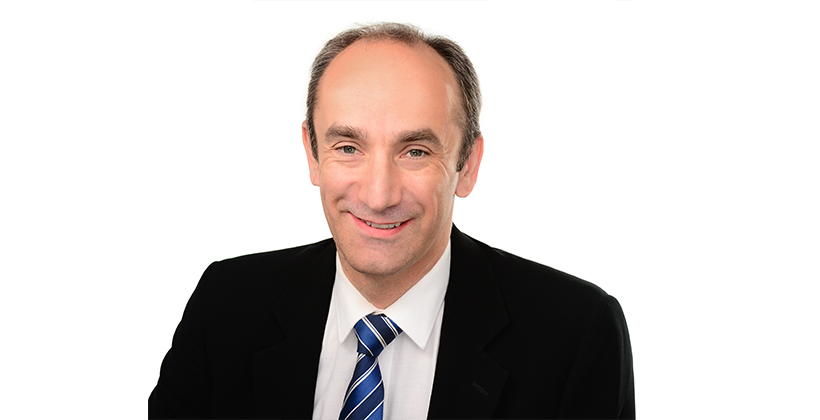
Hi, I’m Dr John Males
I’m the founder and principal surgeon at Envision Eye Centre, specialising in laser vision correction, cataract, and corneal surgery. With over 20 years’ experience, I’ve been involved in introducing advanced procedures such as SMILE® and laser-assisted cataract surgery in Australia. I’ve held leadership roles at St Vincent’s Hospital and Sydney Eye Hospital, and I continue to contribute to teaching and research through the University of Sydney. My focus is always on delivering safe, precise, and personalised care, using the latest technology to help patients achieve the best possible visual outcomes.
Dr John Males
M.B B. Sc. (Med)(Hons) MMed (Clin Epi) FRANZCO