

A long-term way to manage ageing eyes and reading glasses in Sydney

By replacing the lens inside the eye, lens replacement surgery may help suitable patients see more clearly across different distances as vision changes with age

A long-term way to manage ageing eyes and reading glasses in Sydney

By replacing the lens inside the eye, lens replacement surgery may help suitable patients see more clearly across different distances as vision changes with age

Move beyond the limits of ageing eyes

For suitable patients, lens replacement surgery can create a lasting change in the way everyday vision feels across work, reading, driving, and daily life

Enjoy steadier vision across your day

Before treatment, many people feel that their vision is becoming harder to rely on. Reading may be difficult, screen work may feel tiring, and seeing clearly at different distances can take more effort than it used to. After lens replacement surgery, suitable patients may experience a more consistent range of vision with less dependence on glasses. The aim is to make everyday seeing feel more stable, more comfortable, and less affected by age-related lens changes.

Feel more settled in the way you see

When vision becomes less dependable, it can affect more than practical tasks. It can leave you feeling frustrated, self-conscious, and tired of working around the problem. After treatment, suitable patients often describe a sense of relief in no longer feeling held back by those ongoing changes. The emotional shift is often about feeling more in control again. Life can feel simpler, calmer, and less shaped by the limits that ageing vision once placed on it.

Move from one part of your day to the next with more ease

After treatment your days may feel more natural from beginning to end. Reading messages, working at a screen, driving, shopping, meeting friends, and enjoying the evening can all flow with less interruption. There is less need to think so much about what glasses are needed for which task. The benefit is not about forcing every moment to be perfect. It is about making everyday life feel more seamless, more comfortable, and easier to enjoy.

More self-assured and comfortable in everyday life

When you are no longer adjusting to your vision so often, it can change how you come across to others. You may seem more composed, more self-assured, and more comfortable in your routine. The difference is often quiet but noticeable. It is not about looking different for the sake of it. It is about carrying less frustration, moving with more ease, and appearing more like someone who feels comfortable in their own day again.

Move beyond the limits of ageing eyes

For suitable patients, lens replacement surgery can create a lasting change in the way everyday vision feels across work, reading, driving, and daily life

Enjoy steadier vision across your day

Before treatment, many people feel that their vision is becoming harder to rely on. Reading may be difficult, screen work may feel tiring, and seeing clearly at different distances can take more effort than it used to. After lens replacement surgery, suitable patients may experience a more consistent range of vision with less dependence on glasses. The aim is to make everyday seeing feel more stable, more comfortable, and less affected by age-related lens changes.

Feel more settled in the way you see

When vision becomes less dependable, it can affect more than practical tasks. It can leave you feeling frustrated, self-conscious, and tired of working around the problem. After treatment, suitable patients often describe a sense of relief in no longer feeling held back by those ongoing changes. The emotional shift is often about feeling more in control again. Life can feel simpler, calmer, and less shaped by the limits that ageing vision once placed on it.

Move from one part of your day to the next with more ease

After treatment your days may feel more natural from beginning to end. Reading messages, working at a screen, driving, shopping, meeting friends, and enjoying the evening can all flow with less interruption. There is less need to think so much about what glasses are needed for which task. The benefit is not about forcing every moment to be perfect. It is about making everyday life feel more seamless, more comfortable, and easier to enjoy.

More self-assured and comfortable in everyday life

When you are no longer adjusting to your vision so often, it can change how you come across to others. You may seem more composed, more self-assured, and more comfortable in your routine. The difference is often quiet but noticeable. It is not about looking different for the sake of it. It is about carrying less frustration, moving with more ease, and appearing more like someone who feels comfortable in their own day again.

A clearer way forward after 40

Vision correction can be a good option for some people with age-related vision changes. We make the journey easy to understand

Step 1: GET IN TOUCH

The first step is to find out which vision correction treatment may be an option for you. You can contact the clinic by phone or book a free assessment and learn more about the process.

Step 2: WE’LL MEET

At your assessment, the team will check your eyes, talk about your lifestyle, and explain whether lens-based or laser vision correction may suit your needs. You will receive a clear explanation of your options.

Step 3: ENJOY MORE VISUAL CONVENIENCE

If treatment is recommended, treatment may help reduce your dependence on reading glasses or other visual aids, depending on your eyes and treatment plan. The goal is to help you feel more comfortable in everyday tasks like reading, using screens, and seeing across different distances.

Over 40 and tired of relying on reading glasses?

Book your free assessment to explore vision correction options that may help you see clearly at more distances

With Lens Replacement Surgery, suitable patients may experience less reliance on reading glasses

Quickly explore how lens replacement surgery works, who it may suit, and what to expect before, during, and after treatment

Lens replacement surgery can be used to correct a multitude of refractive issues. This can include patients who wear multifocal, distance and reading glasses or who wish to eliminate the need for glasses.

Lens replacement surgery, also known as refractive lens exchange, is an almost identical procedure to cataract surgery. It replaces the natural lens of the eye with an artificial lens to correct vision (e.g. short-sightedness, long-sightedness and astigmatism).

Lens replacement surgery is generally not performed on people under 45. Instead, laser eye surgery is usually used on younger patients as the lens of the eye in younger people is often better than any artificial lenses on the market.

To put it simply, if you are over 50, lens replacement surgery can allow you to live glasses free if laser eye surgery is no longer an option. Laser eye surgery relates to changes made to the cornea, however as you age, changes to the cornea can no longer correct vision as effectively as the issue is related instead to the natural lens of the eye.

Two main things happen to the lens in your eyes due to age. Firstly, the lens becomes stiffer, making it difficult to focus on close objects (known as presbyopia). Secondly, the lens becomes progressively clouded (known as Cataracts).

These changes to your lens are inevitable, yet happen at different times for each individual. Presbyopia can begin from age 50, with cataracts usually occurring after 60 years of age. By getting your lens replaced early, due to Presbyopia, you also avoid the need for cataract surgery later in life. This can also allow you to enjoy clear vision for longer, often without any need for glasses.

Lens replacement surgery may be suitable for people who want to reduce their reliance on glasses or contact lenses and whose vision is being affected by age-related changes in the natural lens. It is commonly considered for people over 45, particularly those developing presbyopia, stronger prescriptions, early lens changes, or cataracts.

Suitability depends on more than age alone. Your surgeon will assess your prescription, eye pressure, corneal health, retinal health, pupil size, lifestyle, and whether you have conditions such as glaucoma, macular disease, or significant dry eye. The health of the retina is especially important for people who are highly short-sighted.

Lens replacement can also be considered when laser procedures such as LASIK, PRK or SMILE are not appropriate. Different artificial lens options may provide different ranges of vision, but no lens can guarantee complete freedom from glasses. A detailed assessment is therefore needed to decide whether surgery is appropriate and which lens type best matches your visual needs.

  • One advantage of lens replacement surgery is that it can address age-related lens changes directly and may reduce dependence on reading glasses as well as other prescription glasses in suitable patients.
  • Eliminates the development of cataracts in the future.
  • A disadvantage is that it is an intraocular procedure, so it is more invasive than corneal laser surgery.
  • Some patients may still need glasses for certain tasks depending on the lens selected and individual visual outcomes.

Like any surgery inside the eye, lens replacement surgery carries risks. Most people recover without a serious complication, but it is important to understand both the common short-term effects and the less common risks before deciding whether treatment is right for you.

Possible risks and side effects

Risks can include infection, inflammation, raised eye pressure, swelling at the back of the eye, retinal detachment, problems with the position of the artificial lens, and the need for further treatment. Some patients may also notice glare, halos or changes in night vision, particularly with certain lens types.

There may also be some remaining prescription after surgery, which means glasses could still be needed for certain tasks. The risk of complications is different for every patient and can depend on factors such as age, prescription, retinal health and whether you are highly short-sighted.

What is recovery like?

Vision is often blurry at first and usually improves over the following days. The eye may feel mildly sore, gritty, watery or sensitive to light during the early healing period. Vision can continue to settle for several weeks as the eye adjusts to the new lens.

Recovery is different for everyone, so it is important not to compare your progress with someone else’s. If both eyes are being treated, they are often operated on separately, which can also affect the overall recovery timeline.

What aftercare is needed?

After surgery, you will normally use prescribed eye drops to reduce inflammation and help protect against infection. You will also attend follow-up appointments so we can check your vision, eye pressure, healing and the position of the new lens.

During the early recovery period, you may be advised to avoid rubbing your eye, swimming, heavy lifting and strenuous exercise. You should also follow your surgeon’s advice about driving and returning to work.

Contact us promptly if you experience increasing pain, a sudden drop in vision, marked redness, flashes, new floaters or a curtain-like shadow in your vision.

Our aim is to make sure you understand both the potential benefits and the possible risks before treatment, and that you feel supported throughout your recovery.

The replacement lens, known as an intraocular lens (IOL) are a made of a soft, flexible plastic. Premium lenses perform a range of functions to help avoid the need for wearing glasses after surgery. The range of lenses include:

  • Monofocal – Also known as standard lenses, monofocal lenses are only able to be set for either near or distance vision so glasses will be needed after surgery for completing certain tasks.
  • Bifocal/Multifocal – These lenses allow two ranges of vision, usually near and far vision. However, medium range distance, such as computer work may still require glasses.
  • Trifocal – The latest in lens technology. Trifocal support near, medium and distance vision and are often the best lenses to avoid needed glasses after surgery.
  • Toric lenses – Toric lenses are designed to correct astigmatism. Glasses may still be required following surgery for near vision.

Premium intraocular lenses we use at Envision Eye Centre

Zeiss

  • Monofocal: ZEISS Asphina 409M
  • Trifocal: ZEISS LISA TRI 839MP
  • Toric: ZEISS TORBI 709M

Alcon

  • Monofocal: Alcon SN60WF
  • Toric: Alcon SN6AT

AcrySof

  • Trifocal: AcrySof IQ PanOptix Trifocal TFNT00

AON/Technis

  • Monofocal: AMO ZCB00
  • Toric: AMO TECNIS ZCT
  • The process starts with a detailed assessment to check your prescription, eye health, lens changes, and the type of vision you want after surgery.
  • If lens replacement surgery is recommended, measurements are taken to help choose the intraocular lens and plan treatment.
  • On the day of surgery, the natural lens is removed and replaced with the artificial lens through a small incision, using the same basic method as cataract surgery.
  • After surgery, you will use drops and attend follow-up visits so healing and vision can be monitored.
  • Your surgeon should explain each step clearly before the treatment goes ahead.

Envision Eye Centre is proud of our results following Cataract and Refractive Lens Exchange procedures.

Visual outcomes with Envision Eye Centre

  • 70% of patients – 6/6 (20/20) vision or better.
  • 29% of patients – 6/9 (20/30) vision or better.
  • Only 1% of patients – 6/9 (20/30) vision or worse.

Learn more about 20/20 vision measurement

Refractive outcomes with Envision Eye Centre

  • 92% of patients – within 0-0.75D of intended refractive outcome.

Are reading glasses starting to run your life?

If so, you can take a free self-test to explore options that may reduce your reliance on them

Always reaching for your glasses?

Every small task needs them. Phone, emails, menus. You put them on. Take them off. Then wonder where you left them. It becomes a daily interruption you didn’t plan for. Taking our quick self-test can help you find out if there’s a more convenient way to manage your vision.

Feeling older than you are?

Needing reading glasses can feel like a sudden shift. You notice it at work, socially, even at home. It can knock your confidence and remind you that your eyes are changing. Our self-test can help you explore options that may better suit your lifestyle and stage of life.

Struggling to stay in the moment?

Switching between glasses or holding things further away breaks your focus. Whether you’re working, travelling, or relaxing, your vision keeps interrupting the experience. By taking the self-test, you can discover if there are ways to make your vision feel more seamless throughout your day.

Affiliations and memberships

We are proud to be a part of these professional bodies

Tired of needing reading glasses for everything?

Take our 2-minute self-test to explore vision correction options designed for changing eyesight over 40

Get your questions answered about eye treatments in Sydney

Get a clear, expert-led overview of your options, from vision correction to eye health, so you can make confident decisions about your eyes

  • Does laser eye surgery hurt? It's one of the most common questions people ask before treatment. Learn what to expect during the procedure and recovery in our latest blog. Read more and take the suitability self test today.

  • Recovering from LASIK? Learn the important dos and don'ts after laser eye surgery, including tips for healing, protecting your eyes, and knowing what to expect. Read the latest blog from Envision Eye Centre and take the suitability self test today.

  • Can you drive after LASIK? Learn when it's safe to get back behind the wheel, what to expect during recovery, and why follow-up appointments matter. Read the latest blog from Envision Eye Centre and take the suitability self test today.

Academic resources on lens replacement surgery

Review clinical studies and expert publications on intraocular lens technology and outcomes. These links will take you to external, trusted sources
Refractive lens exchange replaces the eye’s natural lens with an artificial intraocular lens to correct vision problems such as presbyopia and farsightedness. The procedure is similar to cataract surgery and may reduce reliance on glasses. Different lens types allow focus at various distances, though suitability depends on individual eye health. Click here to learn more.
This article reviews the evidence behind refractive lens exchange, highlighting its role as an elective alternative to cataract surgery for vision correction. It discusses patient selection, benefits, and risks, emphasising the importance of careful assessment and realistic expectations when considering lens replacement for refractive purposes. Read more here.
Refractive intraocular lenses used in lens replacement surgery can correct vision problems such as presbyopia, myopia, and hyperopia by replacing the natural lens with an artificial one. Different lens types provide varying focus ranges, helping reduce dependence on glasses. Suitability depends on individual eye health and visual needs. Find out more.

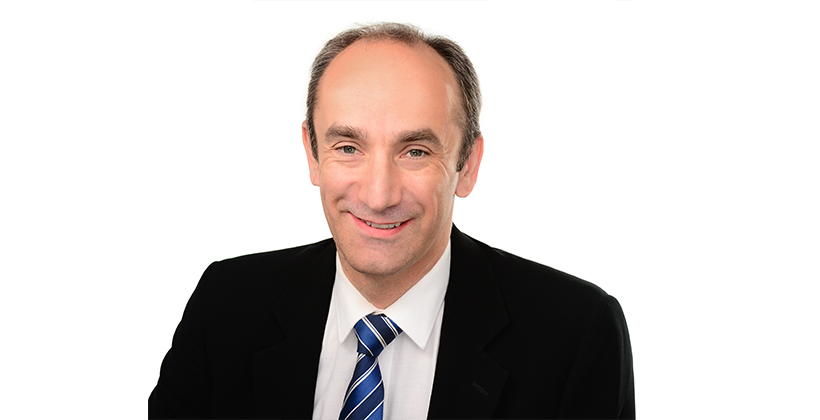
Hi, I’m Dr John Males

I’m the founder and principal surgeon at Envision Eye Centre, specialising in laser vision correction, cataract, and corneal surgery. With over 20 years’ experience, I’ve been involved in introducing advanced procedures such as SMILE® and laser-assisted cataract surgery in Australia. I’ve held leadership roles at St Vincent’s Hospital and Sydney Eye Hospital, and I continue to contribute to teaching and research through the University of Sydney. My focus is always on delivering safe, precise, and personalised care, using the latest technology to help patients achieve the best possible visual outcomes.

Dr John Males

M.B B. Sc. (Med)(Hons) MMed (Clin Epi) FRANZCO