

Your Complete Guide to LASIK Recovery
If you are thinking about LASIK, it is normal to have questions about LASIK recovery.
Most people do not worry only about the treatment itself. They also want to know what happens after. How long does LASIK take to heal? When can you drive again? When can you get back to work, the gym, or the beach?
The good news is that laser eye surgery recovery time after LASIK is usually quite quick. Many people notice clearer vision within a day or two. That said, recovery is not the same as full healing. Your eyes still need time, care, and follow-up after surgery.
In this guide, we explain what to expect, how to care for your eyes, and what recovery from LASIK eye surgery usually looks like.
Understanding LASIK Eye Surgery
LASIK is a type of laser vision correction that is used to treat refractive errors like short sightedness, long sightedness, and astigmatism. A refractive error means the eye does not focus light properly, which causes blurred vision.
The aim of LASIK is to reshape the cornea so light can focus more accurately on the retina. This may reduce your reliance on glasses or contact lenses if you are suitable for treatment.
What is the procedure for LASIK eye surgery?
During LASIK, your surgeon creates a very thin flap on the surface of the cornea. The laser then reshapes the tissue underneath. The flap is gently placed back in position at the end of the procedure.
The treatment itself is usually quick. If you would like a more detailed explanation, take a look at another blog by us: what is the procedure for LASIK eye surgery.
How does LASIK work?
LASIK works by changing the shape of the cornea, which is the clear front surface of the eye. This helps light focus more accurately inside the eye, which can improve vision.
If you want to explain this in more detail, take a look at another blog by us: how does LASIK work.
Laser Eye Surgery Recovery Time
One of the most common questions people ask is about the lasik eye surgery recovery time.
In most cases, the early part of recovery is quite fast. Many patients notice improved vision by the next day. Some return to work within a few days. But full laser eye surgery healing time is longer than that. Your eyes can keep settling for weeks, and some symptoms may come and go during that time.
Overview of recovery timeline
Here is a simple guide to what recovery often looks like:
Day 1:
Your vision may be blurry, hazy, watery, or light sensitive. Your eyes may feel gritty or irritated. Rest is important.
First few days:
Vision often starts to sharpen. Many people feel well enough to return to normal daily activities within a few days, depending on their surgeon’s advice.
First few weeks:
Your eyes continue to heal. Dryness, glare, halos, and small vision fluctuations can still happen.
First few months:
Vision usually becomes more stable, but healing can continue for some time. This is why follow-up appointments matter.
What to expect in the first 24 hours
The first day after LASIK is usually the part people are most curious about.
Straight after treatment, it is common to have:
- blurry or hazy vision
- watering
- mild burning or stinging
- a gritty feeling
- light sensitivity
- a strong urge to close your eyes and rest
This does not always mean something is wrong. It is often part of normal early recovery.
You should arrange for someone else to drive you home after surgery. Most people are told to rest with their eyes closed as much as possible for the first few hours.
Post-Operative Care
Good aftercare plays a big part in laser eye surgery recovery.
Your surgeon will usually give you eye drops and a set of instructions to follow. It is important to use your drops exactly as directed and not stop them early unless your surgeon tells you to.
Dos and don’ts after surgery
In the first few weeks after LASIK, it is usually important to:
- use your drops as directed
- wear your eye shields if advised
- avoid rubbing your eyes
- keep soap, shampoo, and dirty water out of your eyes
- attend all follow-up visits
You may also be told to avoid:
- swimming for a period of time
- eye make-up for a few weeks
- dusty or smoky environments
- contact sports until your surgeon says it is safe
Managing Discomfort
Most patients do not describe LASIK as very painful, but some discomfort is common during the early stage of healing.
Common symptoms during recovery
Symptoms during recovery from LASIK eye surgery can include:
- dryness
- watering
- mild irritation
- light sensitivity
- fluctuating vision
- glare or halos, especially at night
These symptoms often improve with time, but the speed of improvement varies from person to person.
Tips for alleviating discomfort
A few simple steps can make recovery easier:
- rest your eyes on the day of treatment
- use lubricating drops if your surgeon recommends them
- avoid rubbing your eyes
- wear sunglasses outside if light feels harsh
- take breaks from screens if your eyes feel tired
If something feels worse instead of better, or if you notice severe pain or a sudden drop in vision, you should contact your surgeon promptly.
Follow-Up and Long-term Care
Recovery is not only about getting through the first day. It is also about making sure your eyes are healing well over time.
Importance of follow-up appointments
Follow-up visits help your surgeon check that:
- the cornea is healing as expected
- your vision is settling properly
- there are no signs of infection or other concerns
- your drops or aftercare plan do not need to change
Even if you feel fine, these appointments are still important. Healing can look normal to you but still need review by your surgeon.
How long does LASIK take for full recovery?
This is where many people get confused.
The laser eye surgery recovery time for getting back to normal life is often short. Many people return to work and usual routines within a few days.
But full healing is slower. It can take several weeks, and in some cases a few months, for vision to fully settle and for dryness or fluctuations to improve.
So, if you are asking how long does LASIK take, the answer depends on what you mean. The treatment itself is quick. Early recovery is usually quick too. Full healing takes longer.
Final thoughts on LASIK recovery
For many patients, LASIK recovery is easier than they expect. Vision often improves quickly, and the early healing period is usually short. Still, it is important to remember that every eye heals in its own way.
The best recovery plan is a careful one. Follow your surgeon’s advice. Use your drops as directed. Protect your eyes. Go to your follow-up appointments.
If you are thinking about LASIK and want to know whether it may be right for your eyes, the best next step is a proper assessment. That is where you can get clear answers about suitability, likely recovery, and what treatment may fit your vision and lifestyle.
Home »
Are you suitable for laser eye surgery?
Laser eye surgery is not suitable for everyone. Take the first step to find out whether you can benefit.
Our most popular procedures
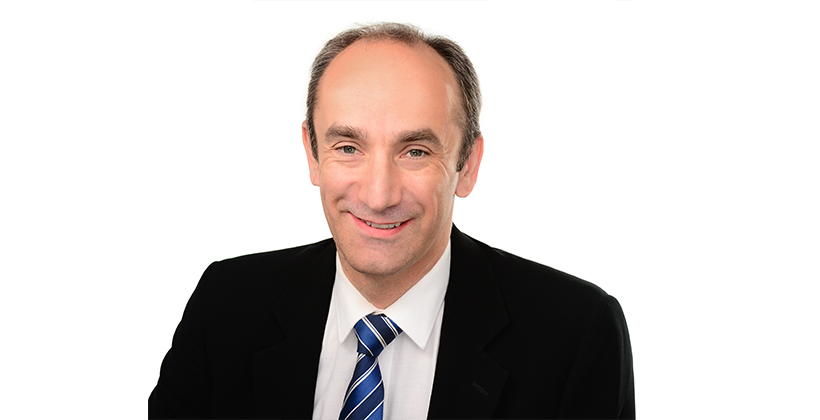
Hi, I’m Dr John Males
I’m the founder and principal surgeon at Envision Eye Centre, specialising in laser vision correction, cataract, and corneal surgery. With over 20 years’ experience, I’ve been involved in introducing advanced procedures such as SMILE® and laser-assisted cataract surgery in Australia. I’ve held leadership roles at St Vincent’s Hospital and Sydney Eye Hospital, and I continue to contribute to teaching and research through the University of Sydney. My focus is always on delivering safe, precise, and personalised care, using the latest technology to help patients achieve the best possible visual outcomes.
Dr John Males
M.B B. Sc. (Med)(Hons) MMed (Clin Epi) FRANZCO