

How long does LASIK take for full recovery?
Understanding LASIK recovery
One of the most common questions people ask before LASIK eye surgery is, “How long will it take to recover?”
The answer is different for everyone. Many people notice changes in their vision within the first day after LASIK. However, full healing takes longer. Your eyes need time to recover, and your vision may continue to settle over the weeks and months after treatment.1https://crstoday.com/articles/2014-jan/enhancing-the-speed-of-visual-recovery-after-lasik
Knowing what to expect can help you feel more confident as you prepare for surgery.
What happens in the first 24 hours?
The early healing process
The first day after LASIK is when healing begins.
Your eyes may feel watery, gritty, or sensitive to light. Some people also notice blurry vision or mild discomfort during the first few hours.2https://crstoday.com/articles/2014-jan/enhancing-the-speed-of-visual-recovery-after-lasik
These symptoms are common during the early stages of recovery, but everyone’s experience is different.
Your surgeon will usually recommend that you go home, rest, and use your prescribed eye drops.
Vision may improve quickly
Many people notice that their vision begins to improve within the first 24 hours.
Even though your vision may seem much clearer, your eyes are still healing.
It is important to follow your surgeon’s instructions carefully during this time.
What happens during the first week?
Your eyes continue to heal
During the first week, many people find that their vision becomes clearer each day.
Some people notice that their vision changes from one day to the next. This is often a normal part of healing.
Your eyes may still feel dry from time to time, and you may notice glare or halos around bright lights, especially at night.3https://crstoday.com/articles/2014-jan/enhancing-the-speed-of-visual-recovery-after-lasik
These symptoms often improve as your eyes recover.
Returning to normal activities
Many people return to work within a few days, depending on the type of work they do and how their eyes are healing.
Your surgeon will advise you when it is safe to drive, exercise, wear eye makeup, or go swimming.
Following this advice gives your eyes the best chance to heal well.4https://crstoday.com/articles/2014-jan/enhancing-the-speed-of-visual-recovery-after-lasik
What happens over the following weeks?
Vision continues to settle
Although many people are seeing well within days of surgery, healing continues beneath the surface of the eye.
Over the next several weeks, your vision may become more stable.
Some people continue to experience small changes in vision as the cornea heals.
These changes are usually temporary.5https://crstoday.com/articles/2014-jan/enhancing-the-speed-of-visual-recovery-after-lasik
Dry eyes may continue
Dry eyes are one of the more common side effects after LASIK.
For some people, dryness improves within a few weeks. For others, it may last longer.
Using lubricating eye drops as recommended by your surgeon can help keep your eyes comfortable during recovery.6https://crstoday.com/articles/2014-jan/enhancing-the-speed-of-visual-recovery-after-lasik
When is full recovery?
Healing takes time
Many people ask when they are “fully healed.”
While vision often improves quickly, the eye continues to heal for several months after surgery.
The exact recovery time varies from person to person.
Factors such as your prescription, overall eye health, and how your eyes heal can all influence recovery.7https://crstoday.com/articles/2014-jan/enhancing-the-speed-of-visual-recovery-after-lasik
Your surgeon will monitor your progress during follow-up appointments.
Every person is different
No two eyes heal in exactly the same way.
Some people recover more quickly than others.
This is why it is important not to compare your recovery with someone else’s.
Your surgeon can explain what is normal for your individual situation.
What can help your recovery?
Follow your surgeon’s instructions
The most important thing you can do is carefully follow your post-operative instructions.8https://crstoday.com/articles/2014-jan/enhancing-the-speed-of-visual-recovery-after-lasik
Use your prescribed eye drops exactly as directed.
Attend all of your follow-up appointments so your surgeon can monitor your healing.
These appointments are an important part of your recovery.
Protect your eyes
Avoid rubbing your eyes while they heal.
Wear sunglasses outdoors if your eyes are sensitive to light.
Try to avoid dusty environments and follow your surgeon’s advice about returning to sports, swimming, and other activities.
Giving your eyes time to heal can support a smoother recovery.9https://crstoday.com/articles/2014-jan/enhancing-the-speed-of-visual-recovery-after-lasik
What symptoms are normal?
Temporary changes
During recovery, many people experience symptoms such as dry eyes, blurry vision, glare, halos, or light sensitivity.
These symptoms are often temporary and improve over time.10https://crstoday.com/articles/2014-jan/enhancing-the-speed-of-visual-recovery-after-lasik
Healing varies between individuals.
When to seek advice
If you experience severe pain, a sudden drop in vision, increasing redness, or symptoms that concern you, contact your surgeon promptly.
Your surgical team can assess your eyes and provide advice based on your situation.
Why follow-up appointments matter
Monitoring your healing
Follow-up appointments allow your surgeon to check how your eyes are recovering.
These visits help ensure that healing is progressing as expected.
They are also a good opportunity to ask questions about your recovery or discuss any symptoms you may have.
Looking ahead after LASIK
For many suitable patients, LASIK may reduce dependence on glasses or contact lenses. However, it is important to remember that the procedure is only one part of the journey.
Healing continues after surgery, and giving your eyes the time they need to recover is an important part of achieving the best possible outcome.11https://crstoday.com/articles/2014-jan/enhancing-the-speed-of-visual-recovery-after-lasik
Results vary between individuals, and no outcome can be guaranteed.
Learn more about LASIK recovery
Although many people notice clearer vision within a day or two, full recovery from LASIK takes longer. Your eyes continue to heal over time, and regular follow-up care helps ensure your recovery stays on track.
At Envision Eye Centre, our experienced team supports patients throughout every stage of their LASIK journey. From your initial assessment to your final follow-up appointment, we are here to answer your questions and help you understand what to expect during recovery.
Take the next step
If you are thinking about laser eye surgery, the first step is learning whether LASIK may be suitable for your eyes.
Take the suitability self test today to find out whether LASIK eye surgery may be suitable for your vision needs.
Home »
Are you suitable for laser eye surgery?
Laser eye surgery is not suitable for everyone. Take the first step to find out whether you can benefit.
Our most popular procedures
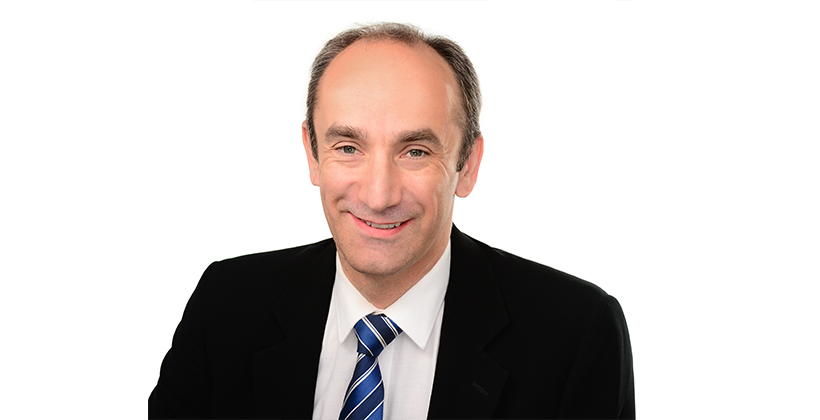
Hi, I’m Dr John Males
I’m the founder and principal surgeon at Envision Eye Centre, specialising in laser vision correction, cataract, and corneal surgery. With over 20 years’ experience, I’ve been involved in introducing advanced procedures such as SMILE® and laser-assisted cataract surgery in Australia. I’ve held leadership roles at St Vincent’s Hospital and Sydney Eye Hospital, and I continue to contribute to teaching and research through the University of Sydney. My focus is always on delivering safe, precise, and personalised care, using the latest technology to help patients achieve the best possible visual outcomes.
Dr John Males
M.B B. Sc. (Med)(Hons) MMed (Clin Epi) FRANZCO