

Learn what refractive errors mean for your vision

Myopia, hyperopia, astigmatism, and presbyopia are all types of refractive errors that change the way light focuses in the eye

Learn what refractive errors mean for your vision

Myopia, hyperopia, astigmatism, and presbyopia are all types of refractive errors that change the way light focuses in the eye

Understand how refractive errors affect vision at every distance

Explore the causes, symptoms, and common treatment options for these vision conditions in one place

Refractive errors deal with a variety of conditions that distort vision.

Refractive errors are when the cornea is abnormally shaped and can’t focus light directly on the retina at the back of the eye, resulting in out-of-focus and blurry vision.

Conditions include short-sightedness (myopia), far-sightedness (hyperopia), astigmatism and age-related long-sightedness (presbyopia).

  • Short-sightedness (Myopia): Difficulty in seeing longer distances
  • Long-sightedness (Hyperopia): Difficulty seeing things up close. If you are over 40, you may in fact have Presbyopia
  • Astigmatism: A blurry portion of vision. Astigmatism commonly occurs together with short or long-sightedness
  • Presbyopia: Also known as age-related long-sightedness, this is caused by reduced flexibility in the lens of the eye usually occurring after age 40. Learn more about Presbyopia.

Refractive errors are typically genetic although short-sightedness can be caused by environmental factors such as excessive eye strain from continued focus on a computer screen, TV or book.

Age related long-sightedness is due to a hardening of the lens caused by age. Astigmatism can occur from an eye injury but is also, and primarily, a genetic condition.

Apart from the obvious definitions above, some people are not aware that they may have a refractive issue, particularly if they have had it all their life or it occurs gradually. The following symptoms may indicative a refractive issue:

  • Double-vision
  • Haziness
  • Glare or halos around bright lights
  • Squinting
  • Headaches
  • Eye strain.

Glasses and contact lenses

  • The main non-surgical solutions to refractive errors.

Laser Eye Surgery

  • These procedures alter the shape of the cornea so the light is focused correctly on the retina. Three generations of laser eye surgery are available including SMILE, LASIK and PRK.

Lens replacement

  • Used in aged-related long-sightedness (Presbyopia) or when laser surgery isn’t possible.

Implantable Collamer Lens (ICL)

  • Inserted between the iris and the lens. This is used when laser eye surgery is not possible due to thin corneas or the strength of prescription is too high.

Could laser eye surgery free you from glasses?

Book your free assessment to find out if laser eye surgery may be right for your eyes and your lifestyle

Your path to life with less reliance on glasses

Laser eye surgery can feel like a big step. We make the process clear, simple, and easy to follow

Step 1: START THE CONVERSATION

The first step is to find out whether laser vision correction may be suitable for your eyes. You can contact the clinic by phone or through the website to book your free assessment.
Step 2: WE’LL MEET

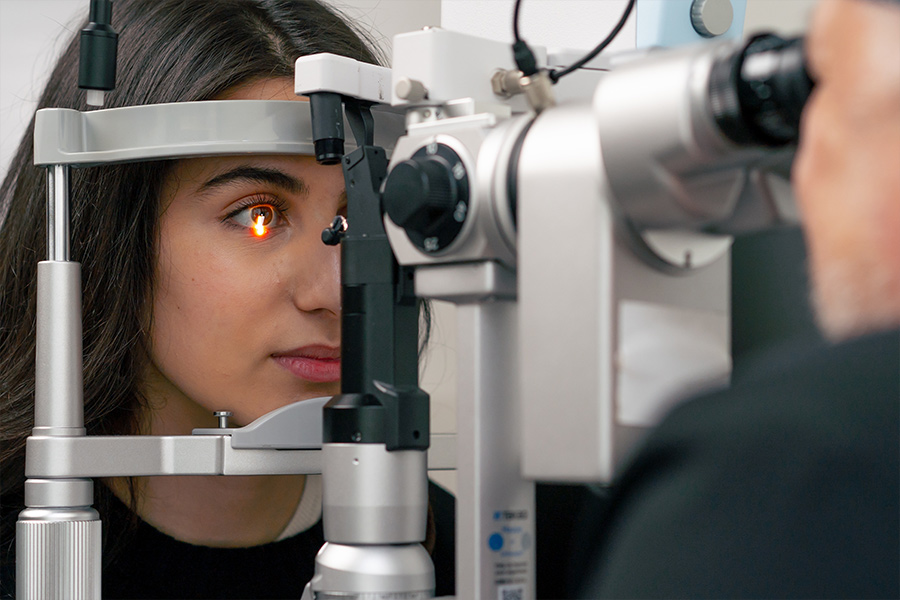
At your assessment, the team will examine your eyes, talk through your vision needs, and explain the options that may suit you. You will have time to ask questions and understand the next step.

Step 3: MOVE FORWARD WITH CLARITY

After treatment, everyday life may feel more convenient, with less need to think about glasses or contact lenses. The aim is to help suitable patients enjoy clearer vision for daily activities, depending on their individual circumstances.

Could laser eye surgery be right for you?

Take our 2-minute self-test to see whether laser vision correction may suit your eyes and your day-to-day life

Get your questions answered about eye treatments in Sydney

Get a clear, expert-led overview of your options, from vision correction to eye health, so you can make confident decisions about your eyes
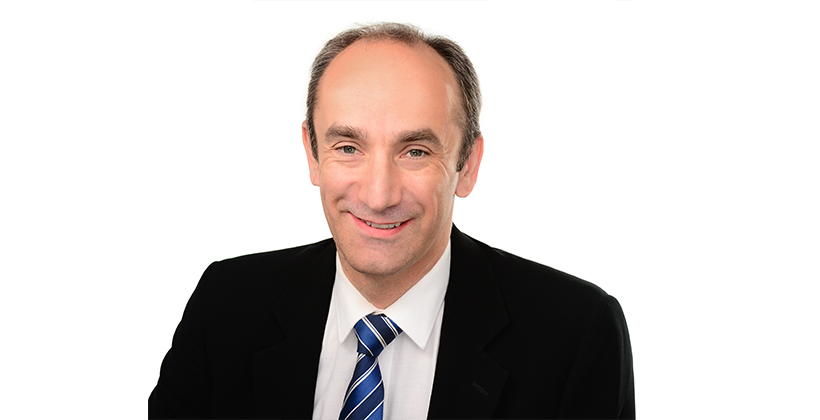
Hi, I’m Dr John Males

I’m the owner and principal surgeon at Envision Eye Centre, specialising in laser vision correction, cataract, and corneal surgery. With over 15 years’ experience, I’ve been involved in introducing advanced procedures such as SMILE® and laser-assisted cataract surgery in Australia. I’ve held leadership roles at St Vincent’s Hospital and Sydney Eye Hospital, and I continue to contribute to teaching and research through the University of Sydney. My focus is always on delivering safe, precise, and personalised care, using the latest technology to help patients achieve the best possible visual outcomes.

Dr John Males

M.B B. Sc. (Med)(Hons) MMed (Clin Epi) FRANZCO