

Understand cataracts and what they can do to your vision

Cataracts happen when the natural lens in the eye becomes cloudy, which can lead to blurred vision, glare, and difficulty seeing clearly over time

Understand cataracts and what they can do to your vision

Cataracts happen when the natural lens in the eye becomes cloudy, which can lead to blurred vision, glare, and difficulty seeing clearly over time

With cataracts, vision can become cloudy, glary, and harder to trust

Explore the common signs, causes, and next steps for this gradual change in the eye’s natural lens

A cataract is clouding the lens in the eye. The lens of the eye is supposed to be clear. A cataract forms when there is a build-up of protein on the lens making it cloudy. This prevents light from passing through the lens causing vision loss. Cataracts affect over 700,000 Australian’s and is one of the most common reasons people need eye surgery.

The types of cataracts and their causes include:

  • Age-related cataracts: This cataract develops as a normal part of ageing
  • Secondary cataracts: Secondary cataracts can develop after cataract surgery and are a result of old cataract cells remaining in the lens capsule
  • Traumatic cataracts: These cataracts are a result of an injury to the eye
  • Congenital cataracts: Babies are sometimes born with cataracts or can develop in childhood. It is common for the cataract to be in both eyes.

Cataracts characteristically form very slowly and cause few symptoms until they start to block light.

Typical symptoms include:

  • Vision that is blurry, hazy or foggy
  • Increased sensitivity to light and increased glare
  • Difficulty with night vision including glare from oncoming headlights
  • Colours often become duller and darker
  • Near vision in glasses may improve for a short time
  • More rapid changes in glasses prescriptions than would normally be expected.

Read more about the symptoms of cataracts.

For treatment of cataracts a lens replacement is required to remove the cloudy lens and replace it with a clear one. At Envision Eye Centre we offer the newest surgical technique in cataract surgery, laser-assisted cataract removal which is more accurate and less invasive.

See treatments for catarcats.

Cataracts can cloud your life, not just your vision

Book your free assessment to learn whether cataract surgery could help bring back clearer sight and daily ease

Cataract care in 3 clear steps

Cataract treatment does not need to feel confusing. We guide you through each step so you understand your options and what happens next

Step 1: BOOK YOUR ASSESSMENT

The first step is to book a free assessment so the team can check whether cataracts are affecting your sight and discuss the different treatment options available to you.
Step 2: UNDERSTAND YOUR OPTIONS

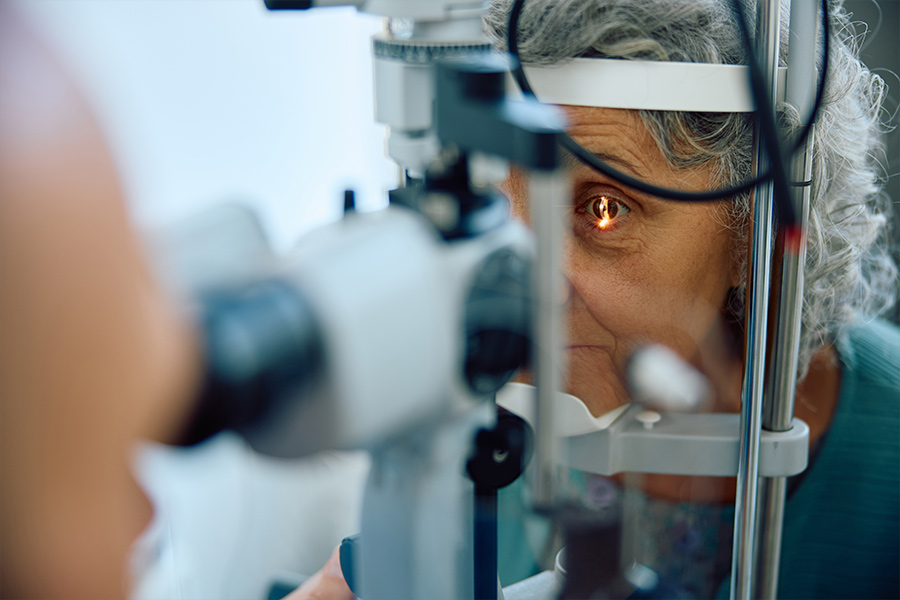
At your assessment, your eyes will be examined and your surgeon will explain the findings in clear language. You can discuss lens options, ask questions, and understand the recommended treatment plan.

Step 3: RETURN TO CLEARER SIGHT

After cataract surgery, the aim is to improve the clarity of vision affected by cataracts. For some patients, lens choices may also help address other vision needs, depending on the eye and the treatment selected.

Find out which cataract treatment may suit you best

Take our 2-minute self-test to explore your cataract surgery options based on your vision needs and lifestyle

Get your questions answered about eye treatments in Sydney

Get a clear, expert-led overview of your options, from vision correction to eye health, so you can make confident decisions about your eyes

Hi, I’m Dr John Males

I’m the owner and principal surgeon at Envision Eye Centre, specialising in laser vision correction, cataract, and corneal surgery. With over 15 years’ experience, I’ve been involved in introducing advanced procedures such as SMILE® and laser-assisted cataract surgery in Australia. I’ve held leadership roles at St Vincent’s Hospital and Sydney Eye Hospital, and I continue to contribute to teaching and research through the University of Sydney. My focus is always on delivering safe, precise, and personalised care, using the latest technology to help patients achieve the best possible visual outcomes.

Dr John Males

M.B B. Sc. (Med)(Hons) MMed (Clin Epi) FRANZCO