Strabismus explained clearly

This eye condition, sometimes called squint, causes one eye to turn in, out, up, or down instead of aligning with the other eye

Strabismus explained clearly

This eye condition, sometimes called squint, causes one eye to turn in, out, up, or down instead of aligning with the other eye

Strabismus can affect more than how the eyes look

Explore the common causes, symptoms, and treatment options for squint in children

Also known as misaligned eyes, strabismus is where the eyes point in different directions. Strabismus is a visual condition where both eyes are misaligned and point in different directions. Amongst children, strabismus is quite a common condition that affects about 4% of all children in Australia. This condition is also known to appear in adults, which can result in double vision.

  • Hypotropia – One eye turns down
  • Exotropia – One eye turns out
  • Hypertropia – One eye turns up
  • Esotropia – One eye turns in

Nerve Palsy
There are six important muscles around the eye that control the eye’s movement and position. These muscles are supplied by numerous nerves. If these nerves become damaged the signal to activate a specific eye muscle is impaired. New born babies that have experienced a traumatic birth and or have developmental issues with the brain centre that controls eye movements can be left with a misalignment.

Developmental Issues
A child with developmental delay from common conditions such as Down’s syndrome or cerebral palsy has established numerous effects associated with strabismus. These widely known conditions specifically affect the eyes development of muscle and nerve features. Being diagnosed with these conditions requires the child to undertake routine ophthalmic examinations.

Poor Binocular Control
There is a visual centre in our brain that guides our eyes to observe objects together. This provides detailed, sharp and single vision. For some children, this requires more effort and may encourage the brain to shut off an eye and cause it to drift out. Strabismus, such as these, can be improved with patching, eye exercises and glasses to facilitate the relationship between the eyes and the brain to see well together and reduce the rate of the eye drifting out.

Eye Muscle Restriction
Occasionally, one of the six muscles around the eye can become trapped or damaged. This limits the amount of movement the eye can make and could result in the good eye to look misaligned in certain positions to compensate for the bad eye’s muscle restriction. While muscle restrictions can be acquired from birth, it is more commonly present in people with an injury to the eye or an over-active thyroid.

Over Accommodation
A majority of children aged 3-4 years old tend to develop an inward eye turn when focusing at objects up close. This type of strabismus is strongly associated with long-sighted children because they require more focus for close activities than a normal eye would. As a result this additional focusing causes the eye to turn in. This type of strabismus is easily treated by fitting a pair of prescription glasses from the ophthalmologist.

It is important to note that if there is any amblyopia (lazy eye) present in combination with the strabismus in any child that the amblyopia is treated first and foremost. Sole treatment of amblyopia can facilitate realigning the eyes. Once the amblyopia is managed, then treatment of strabismus can commence. This typically involves an assortment of treatments including eye exercises, glasses and potentially strabismus surgery.

Strabismus Surgery
The aim of this type of surgery is to correct a child’s squint by operating on the eye muscles to straighten the eyes. This is achieved by either shortening the muscle or changing the position of the muscle to make it stronger. Unfortunately, strabismus surgery cannot correct all strabismus types. There is a high chance that a second procedure will be required at some stage in the future. The benefits of surgery means a better appearance, lower occurrence of double vision, improved depth perception and better binocular control.

Clear guidance for your eye care journey

Eye treatment options can vary from person to person. We help you understand what is happening and what care may be right for you

Step 1: REACH OUT

The first step is to book an assessment so your symptoms, concerns, or vision goals can be discussed with the clinic. Give our friendly team a call or use our easy contact form to get in touch.
Step 2: WE’LL MEET

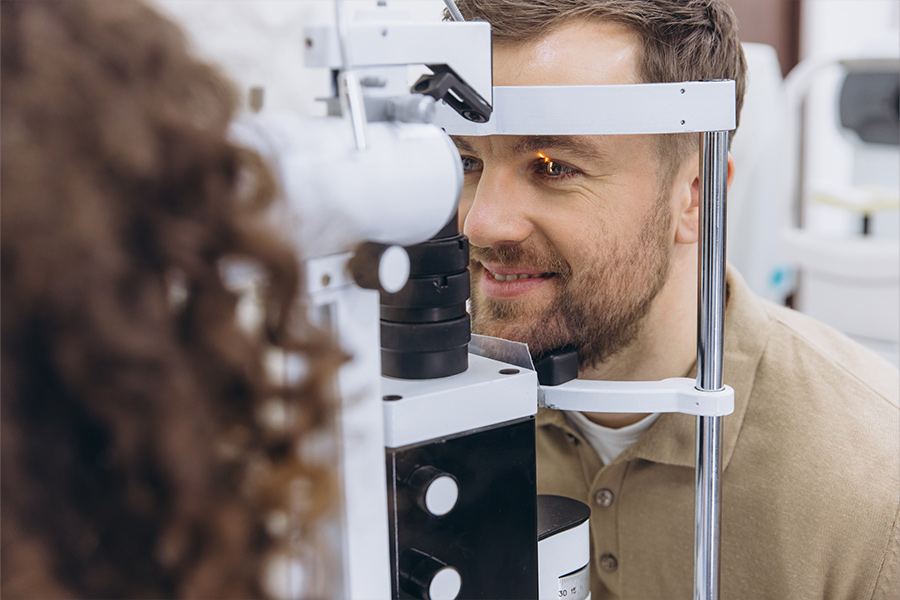
At your visit, our refractive surgeons will examine your eyes, explain the findings, and talk through the treatment options that may be appropriate for your condition and needs.

Step 3: ENJOY COMFORT

After treatment, the aim is to help you see more clearly, feel more comfortable, and manage your eye health with greater confidence. Depending on your condition and treatment plan, this may make daily life feel easier and more manageable.
Find comfort and clarity for your eyes

Contact us to discover the next step toward healthier, more comfortable vision

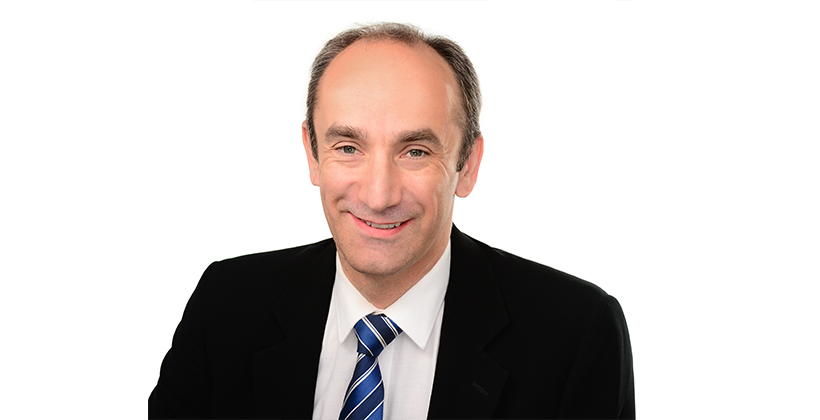
Hi, I’m Dr John Males

I’m the founder and principal surgeon at Envision Eye Centre, specialising in laser vision correction, cataract, and corneal surgery. With over 20 years’ experience, I’ve been involved in introducing advanced procedures such as SMILE® and laser-assisted cataract surgery in Australia. I’ve held leadership roles at St Vincent’s Hospital and Sydney Eye Hospital, and I continue to contribute to teaching and research through the University of Sydney. My focus is always on delivering safe, precise, and personalised care, using the latest technology to help patients achieve the best possible visual outcomes.

Dr John Males

M.B B. Sc. (Med)(Hons) MMed (Clin Epi) FRANZCO