

A flap-free way to reduce dependence on glasses and contacts with PRK eye surgery in Sydney

Learn how PRK may help suitable patients correct refractive error and enjoy more visual convenience in everyday life

A flap-free way to reduce dependence on glasses and contacts with PRK eye surgery in Sydney

Learn how PRK may help suitable patients correct refractive error and enjoy more visual convenience in everyday life

Understand PRK eye surgery more clearly

Dr John Males explains what PRK eye surgery is and how it works

Your path to life with less reliance on glasses

Laser eye surgery can feel like a big step. We make the process clear, simple, and easy to follow

Step 1: START THE CONVERSATION

The first step is to find out whether laser vision correction may be suitable for your eyes. You can contact the clinic by phone or through the website to book your free assessment.
Step 2: WE’LL MEET

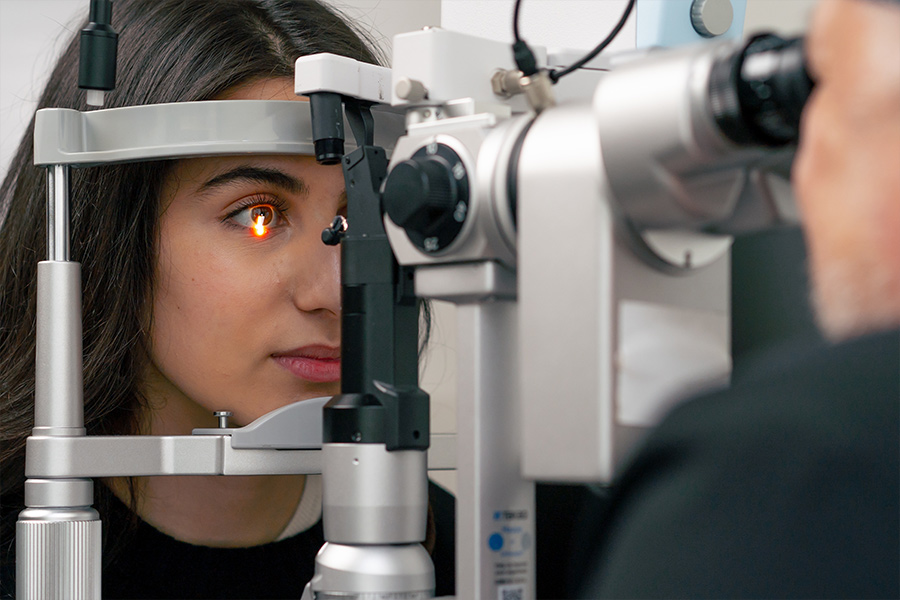
At your assessment, the team will examine your eyes, talk through your vision needs, and explain the options that may suit you. You will have time to ask questions and understand the next step.

Step 3: MOVE FORWARD WITH CLARITY

After treatment, everyday life may feel more convenient, with less need to think about glasses or contact lenses. The aim is to help suitable patients enjoy clearer vision for daily activities, depending on their individual circumstances.

Could laser eye surgery free you from glasses?

Book your free assessment to find out if laser eye surgery may be right for your eyes and your lifestyle

With PRK eye surgery, suitable patients may experience less reliance on glasses and contacts

Quickly explore how PRK works, who it may suit, and what to expect before, during, and after treatment

PRK eye surgery is generally considered for adults with a stable prescription and healthy eyes who want to reduce their reliance on glasses or contact lenses.

PRK treats short sightedness, long sightedness and astigmatism. It is also a good option for patients who have thin corneas who may not be suitable for SMILE or LASIK procedures.

PRK (PhotoRefractive Keratectomy) is the first generation of laser vision correction which has been around since 1995. It is now often offered to patients who have thin corneas or who are not suitable for LASIK or SMILE.

We perform the latest TransPRK treatment onsite for the comfort and convenience of our patients. Our team of experienced surgeons and clinical staff will take time to clearly walk you through the procedure so you are fully prepared.

TransPRK (Transepithelial PhotoRefractive Keratectomy) is a touch-free laser eye correction method. Unlike conventional PRK methods, with TransPRK the eye is not touched with any instrument.

In TransPRK, the SCHWIND AMARIS 750 laser removes the epithelium, without suction, flap, or blade, and without the use of alcohol. This touch-free procedure is non-invasive, safe, and gentle to the eye.

Advantages include

1https://www.allaboutvision.com/en-gb/vision-surgery/prk/:

  • Suitable for patients with thin corneas
  • No flap created and therefore no risk of flap-related complications like detachment or displacement
  • PRK only removes a small amount of the cornea and hence less corneal thickness is removed
  • Simple ‘no-touch’ procedure using TranPRK
  • Cost-effective when compared with LASIK or SMILE.

Disadvantages include:

  • Slowest recovery
  • Some pain experienced during recovery
  • Some sounds and odour during the procedure.

Complications are rare but can occur. There are short and long-term side-effects with PRK that may include:

  • Minor pain or irritation during recovery
  • Foreign body sensation in the eye
  • Dry eyes (less so than LASIK)
  • Fluctuating vision during recovery
  • Regression back to the original prescription
  • Under or under-correction
  • Haloes and starbursts around lights
  • Glare sensitivity
  • Infection (less so than LASIK).

Prior to surgery

  • Be prepared to be at the day facility half an hour before your surgery to ensure all paperwork has been finalised
  • It is important to have a friend or family member accompany you on the day to escort you home after the procedure
  • Wear comfortable, warm clothes as the laser room is set at a specific temperature and humidity to ensure ideal operating temperatures for the laser.

During the procedure

  • When you come into the surgery room you will be positioned underneath the laser
  • The doctor will instil anaesthetic eye drops to provide a painless experience and a prop to hold your eyelids open to prevent blinking
  • During the procedure, you will be asked to focus on a flashing light. The laser performs a ‘no touch’ PRK removing both the epithelium and stroma in one step to achieve vision correction. The overall procedure is short with only a few minutes required for each eye.

Post-operative recovery

  • After the laser treatment, the eye surgeon will place a contact lens on your eye which acts as a bandage that will assist with healing and comfort
  • Once the treatment is complete the eye surgeon will apply antibiotic and steroid drops which you will take home and apply as prescribed
  • You will then be escorted into a consulting room to run through the post-operative instructions. It is very important not to rub the eye after surgery as it can dislodge the contact lens and slow down the healing of the cornea
  • You will be given prescription eye drops and instructions on when to use them. You will be required to wear a plastic shield to protect your eye from rubbing whilst sleeping. It is very important to follow the instructions your eye surgeon advises and to also attend all your follow up appointments
  • During the healing period, you will experience discomfort, minor pain, grittiness, glare sensitivity and haloes around lights. This will progressively get better as the epithelium regenerates and it’s very important to dedicate time to rest to allow for a quicker recovery
  • After 3 days, you will be required to come back to have the bandage contact lenses removed. After this, your eyes may feel very dry. This is part of the healing process. Our clinic will provide preservative-free lubricants for you to use as well. It is necessary to keep the eyes adequately lubricated after your treatment.

Most patients are able to return to work after five days. But recovery time can vary from individual to individual. Your vision will gradually improve as your eyes heal after surgery. You will notice a significant improvement in the first week and a further gradual improvement after this.

Does wearing glasses or contacts hold you back from living fully?

If so, you have the choice to explore your laser eye surgery options

Always planning your day around your vision?

You wake up and can’t see clearly. You plan your day around glasses or contacts. You deal with dry eyes, fogging lenses, and constant switching. It’s frustrating, and it interrupts moments that should feel easy.

The first step is simple. Take our free 2-minute self-test to find out if there’s a more convenient option for your eyes and your lifestyle.

Feeling frustrated and restricted?

You want to be active, spontaneous, and present. But dry eyes, irritation, and blurred vision get in the way. It can feel limiting, stressful, and sometimes even knock your confidence. By taking the self test you can take the first step in exploring your options.

Not feeling like your best self?

Whether it’s at work, at the gym, or out socially, you feel like your vision is holding you back. You’re aware of it. You think others notice it too. It’s a quiet frustration that follows you everywhere. Taking our quick self-test can help you find out if there’s a vision correction option that better fits your lifestyle and reduces this daily frustration.

Affiliations and memberships

We are proud to be a part of these professional bodies

Could laser eye surgery be right for you?

Take our 2-minute self-test to see whether laser vision correction may suit your eyes and your day-to-day life

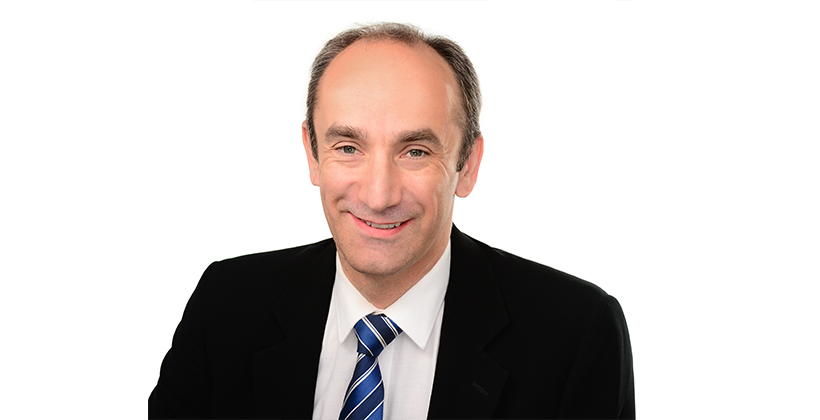
Hi, I’m Dr John Males

I’m the owner and principal surgeon at Envision Eye Centre, specialising in laser vision correction, cataract, and corneal surgery. With over 15 years’ experience, I’ve been involved in introducing advanced procedures such as SMILE® and laser-assisted cataract surgery in Australia. I’ve held leadership roles at St Vincent’s Hospital and Sydney Eye Hospital, and I continue to contribute to teaching and research through the University of Sydney. My focus is always on delivering safe, precise, and personalised care, using the latest technology to help patients achieve the best possible visual outcomes.

Dr John Males

M.B B. Sc. (Med)(Hons) MMed (Clin Epi) FRANZCO