

Take the next step toward clearer vision with cataract surgery in Sydney

Cataract surgery replaces the cloudy natural lens with a clear artificial lens, which may help suitable patients see more clearly and, in some cases, reduce their dependence on glasses

Take the next step toward clearer vision with cataract surgery in Sydney

Cataract surgery replaces the cloudy natural lens with a clear artificial lens, which may help suitable patients see more clearly and, in some cases, reduce their dependence on glasses

Understand cataract surgery more clearly

Dr John Males explains what cataract surgery is and how it works

Cataract care in 3 clear steps

Cataract treatment does not need to feel confusing. We guide you through each step so you understand your options and what happens next

Step 1: BOOK YOUR ASSESSMENT

The first step is to book a free assessment so the team can check whether cataracts are affecting your sight and discuss the different treatment options available to you.
Step 2: UNDERSTAND YOUR OPTIONS

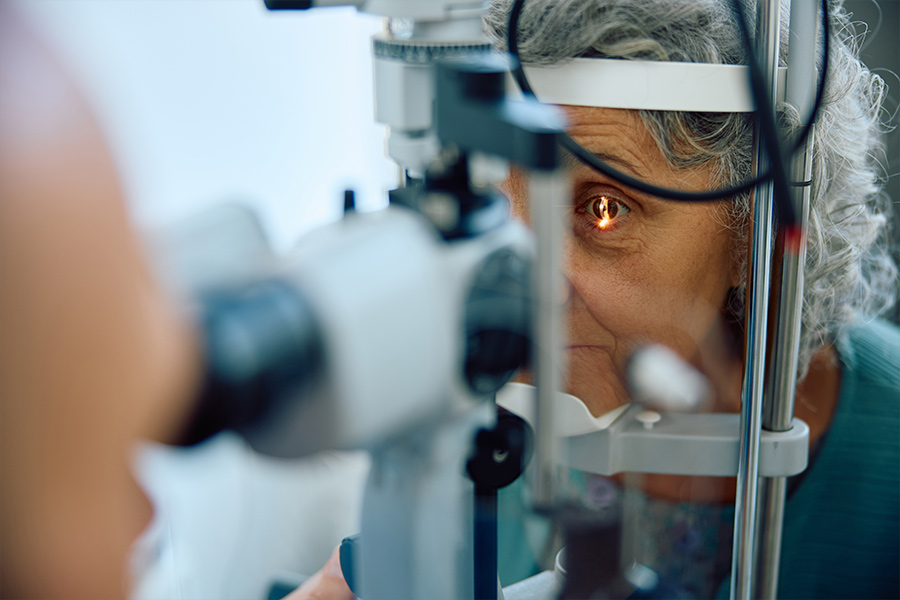
At your assessment, your eyes will be examined and your surgeon will explain the findings in clear language. You can discuss lens options, ask questions, and understand the recommended treatment plan.

Step 3: RETURN TO CLEARER SIGHT

After cataract surgery, the aim is to improve the clarity of vision affected by cataracts. For some patients, lens choices may also help address other vision needs, depending on the eye and the treatment selected.

Cataracts can cloud your life, not just your vision

Book your free assessment to learn whether cataract surgery could help bring back clearer sight and daily ease

With Cataract surgery, suitable patients may experience clearer vision and less reliance on glasses

Explore how cataract surgery works, who it may suit, and what to expect before, during, and after treatment

Cataract surgery is generally considered when cataracts are affecting vision enough to interfere with daily life. Cataracts make the natural lens cloudy, which can cause blur, glare, faded colours, and difficulty with tasks like reading or driving. Surgery is the only treatment that removes a cataract. At Envision Eye Centre, assessment includes checking the eyes carefully, discussing symptoms, and talking through lens options and surgery choices. Suitability depends on the effect of the cataract, the overall health of the eye, and the patient’s visual needs. The right timing is based on how much the cataract is affecting everyday function, not age alone.

At Envision, we manage your end to end cataract surgery experience. Our aim is to make you feel informed, comfortable and confident about your surgery.

  • Obtain a referral from your general practitioner or optometrist, prior to your appointment
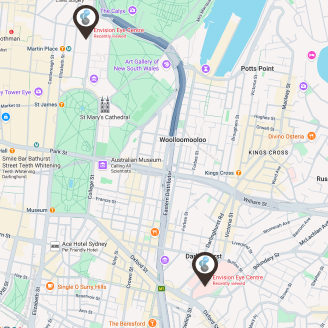
  • Book your comprehensive diagnostic examination by both our Orthoptist and our principle surgeon, Dr John Males. Dr Males will undertake an extensive assessment and outline your surgery options and costs
  • A surgery plan is created, and you are informed of available dates and provided with detailed
  • pre and post-surgery instructions
  • Surgery is performed to remove the first cataract in either St Vincent’s Private Hospital or at our Park House clinic. This is day surgery with no overnight stay required. The second cataract is removed a few weeks later
  • Follow up appointments are held for 1 day, 1 week and 1 month after surgery then as needed thereafter.
Since 2011, Laser-assisted cataract surgery has been available in Australia. Envision Eye Centre is proud to offer this new technique which can provide more accuracy and reduce chances of infection. Still, this method may not be suitable for all surgeries and the traditional method is still a highly successful procedure.

Cataract surgery is considered a medically necessary surgical procedure and is covered, at least in part, by Medicare.

Most patients need to weigh up their options and consider if they are covered in a private health fund for the cataract number provided by medicare. Patients who decide to go as a private patient have the added advantages of being able to select their surgeon, facility, date of surgery, and the type of refractive lens they wish to proceed with, to allow optimum vision.

There is also the option of going as a public patient through the public health system. However, the wait time is typically 12-18 months and you don’t get access to premium lenses or get to choose your preferred surgeon or type of surgery.

In your first appointment, we will help you to weigh up the pros and cons of public vs private surgery and we can provide you with the costs of your surgery with Envision Eye Centre.

The replacement lens, known as an intraocular lens (IOL) is made of a soft, flexible plastic. Premium lenses perform a range of functions to help avoid the need for wearing glasses after surgery. The range of lenses include:

  • Monofocal – These are standard lenses used predominantly in medicare funded cataract surgery. Monofocal lenses are only able to be set for either near or distance vision so glasses will be needed after surgery for completing certain tasks
  • Bifocal/Multifocal – These lenses allow two ranges of vision, usually near and far vision. However, medium range distance, such as computer work may still require glasses
  • Trifocal – The latest in lens technology. Trifocal support near, medium and distance vision and are often the best lenses to avoid needed glasses after surgery
  • Toric lenses – Toric lenses are designed to correct astigmatism. Glasses may still be required following surgery for near vision.

Premium intraocular lenses we use at Envision Eye Centre

Zeiss

  • Monofocal: ZEISS Asphina 409M
  • Trifocal: ZEISS LISA TRI 839MP
  • Toric: ZEISS TORBI 709M

Alcon

  • Monofocal: Alcon SN60WF
  • Toric: Alcon SN6AT

AcrySof

  • Trifocal: AcrySof IQ PanOptix Trifocal TFNT00

AON/Technis

  • Monofocal: AMO ZCB00
  • Toric: AMO TECNIS ZCT

A Comprehensive Cataract Assessment

Envision Eye Centre uses the latest technology and apparatus to guarantee precise measurements and optimal refractive outcomes. Our comprehensive cataract assessment includes the following instruments and examinations:

  • IOL Master 700 – All-in-one measurement of the eye structures and corneal curvature. Effortless and contact-free penetration of dense cataracts, unlike earlier optical biometer models
  • Pentacam Tomography – Cross-sectional scanning of the cornea and analysing corneal shape and elevation when planning for routine cataract surgery, also for those with complex corneal conditions
  • Verion Imaging – Utilises conjunctival vessels as reference points to track the eye during cataract surgery. This allows for precise intraocular lens insertion, minimising the risk of unexpected postoperative refractive error
  • CIRRUS HD-OCT – Two- and three-dimensional imaging of the retinal layers to assess the state of the macula and optic disc
  • Slit lamp and dilated fundus examination – Exhaustive evaluation to ensure overall health of the eye before proceeding with surgery.

Cataract surgery steps

  • Step 1: A small incision is made in the cornea of the eye.
  • Step 2: Access is created to the lens capsule that sits behind the cornea.
  • Step 3: The cataract-affected lens is broken up and removed using phacoemulsification.
  • Step 4: The artificial Intraocular lens is positioned in the lens capsule.

Envision Eye Centre is proud of our results following cataract and refractive lens exchange procedures.

Visual outcomes with Envision Eye Centre

  • 90% of patients: 6/6 (20/20) vision or better
  • 29% of patients: 6/9 (20/30) vision or better
  • Only 1% of patients: 6/9 (20/30) vision or worse.

Learn more about 20/20 vision measurement

Refractive outcomes with Envision Eye Centre

  • 92% of patients: within 0-0.75D of intended refractive outcome.

Is your vision no longer as clear as it used to be?

If so, taking the self test could help you understand your options and take the next step with confidence

Noticing cloudy or hazy vision?

Colours may seem duller. Lights may glare more at night. Reading or recognising faces may feel harder than before. Taking our quick self-test can help you understand what your next steps could be.

Feeling unsure about what to do next?

Being told you may have cataracts can feel overwhelming. You may not know when to act or what your options are.
Our self-test can help you gain clarity on your situation and guide you toward the most appropriate next step.

Finding glasses less helpful than before?

Even with updated prescriptions, your vision may not feel clear. Daily tasks like reading or driving can become more difficult.
By taking the self-test, you can explore whether there are treatment options that may better support your vision needs.

Affiliations and memberships

We are proud to be a part of these professional bodies

Find out which cataract treatment may suit you best

Take our 2-minute self-test to explore your cataract surgery options based on your vision needs and lifestyle

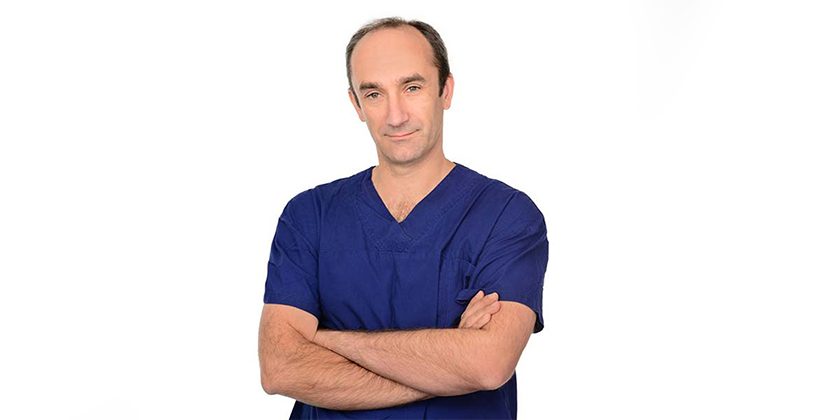
Hi, I’m Dr John Males

I’m the owner and principal surgeon at Envision Eye Centre, specialising in laser vision correction, cataract, and corneal surgery. With over 15 years’ experience, I’ve been involved in introducing advanced procedures such as SMILE® and laser-assisted cataract surgery in Australia. I’ve held leadership roles at St Vincent’s Hospital and Sydney Eye Hospital, and I continue to contribute to teaching and research through the University of Sydney. My focus is always on delivering safe, precise, and personalised care, using the latest technology to help patients achieve the best possible visual outcomes.

Dr John Males

M.B B. Sc. (Med)(Hons) MMed (Clin Epi) FRANZCO